Business Verification vs. Licensing: Key Differences
September 30, 2026

What a business license actually proves
Licensing establishes specific legal authority
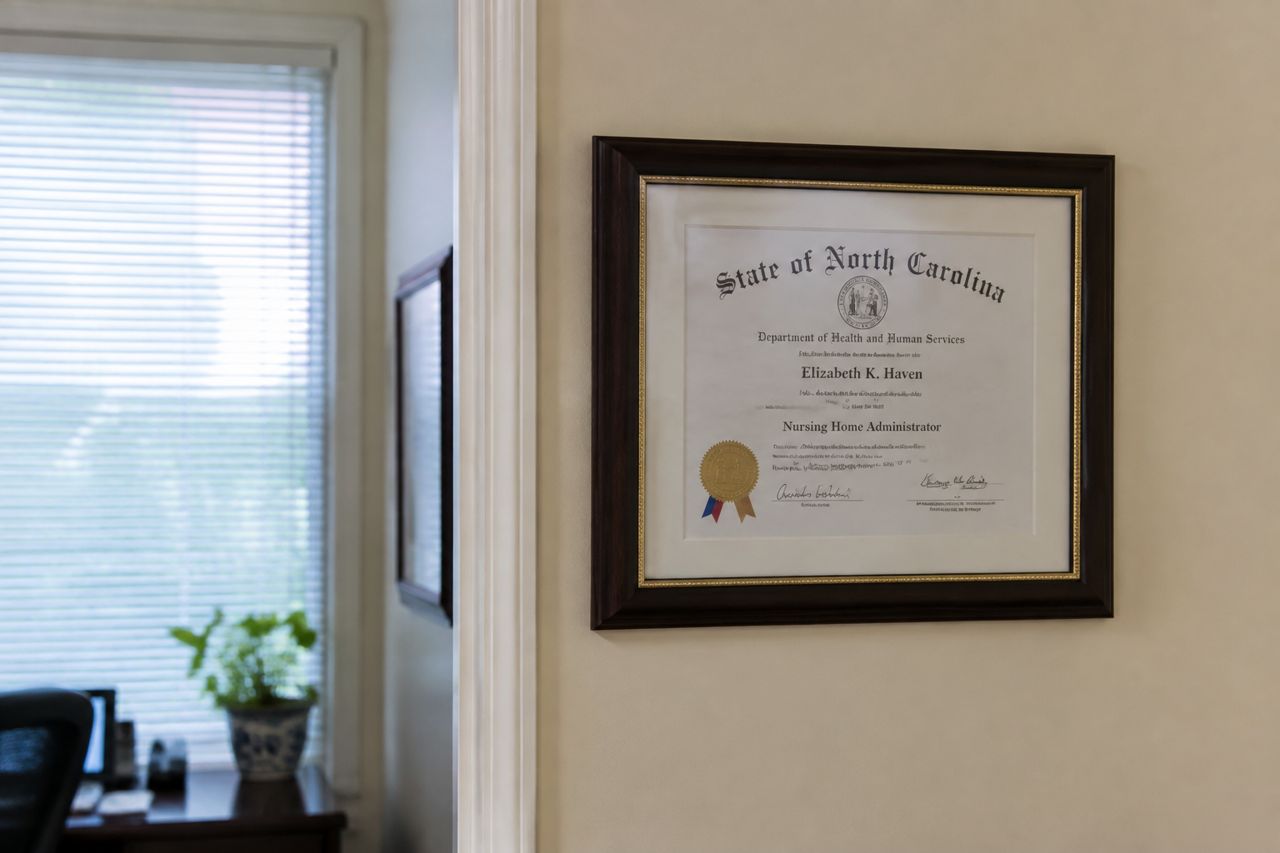
A business license is an authorization issued by a government agency or another legally designated licensing authority. Depending on the activity and location, it may authorize a company to operate, an individual to practice a profession, or a contractor to perform particular work. Requirements vary by state, locality, profession, and service. A general business license does not necessarily authorize regulated work such as electrical installation or legal representation. Likewise, forming an LLC or registering a business name is not the same as obtaining every required license. The useful question is not simply whether a business is licensed, but whether it holds the right authorization for your project and location.
A license has boundaries
Licensing records may show a credential number, license holder, classification, status, expiration date, and disciplinary information, depending on the authority. Those details matter more than a generic “licensed” statement in an advertisement. An active credential generally indicates current authorization within its scope, but it does not automatically establish insurance coverage, service quality, financial stability, or a clean complaint history. Some activities do not require a specialized occupational license at all, although other registrations or permits may apply. Buyers should check the relevant issuing authority and compare its record with the proposed work. Owners should describe their credentials precisely rather than implying that one license covers every service they advertise.
What independent business verification adds
Verification examines evidence across several areas
Business verification is a process for checking claims about a business against supporting evidence. Depending on the provider and its published criteria, that process can examine identity, licensing, insurance, and reputation. Unlike licensing, independent verification does not grant legal permission to operate. It helps buyers understand whether important business claims have been checked and whether the available evidence supports them. GlobalDirectoryPages independently verifies businesses across licensing, insurance, and reputation, monitors them daily, and issues live trust badges. Its role is distinct from that of a licensing board or insurance carrier. For the scope of its assessment, review the trust standard rather than treating the word “verified” as a universal designation.
Freshness and scope determine usefulness
A verification result is useful only when readers understand what was examined and how current the information is. A badge image saved months ago cannot, by itself, establish present status. Buyers should follow a live badge to its verification record and confirm that it belongs to the business they are considering. Use the badge verification page when checking a GlobalDirectoryPages badge. Daily monitoring supports ongoing review, but it should not be interpreted as instant knowledge of every change at every source. Verification is an evidence-based trust signal, not a promise that a provider will perform perfectly or that no dispute will ever arise during a customer relationship.
How licensing and verification work together
They answer different questions
Licensing asks whether a person or entity has the required authorization for a regulated activity. Verification asks whether selected claims and credentials are supported by evidence under a stated standard. A properly licensed company may not have undergone independent verification. A verified business may operate in a field without a specialized licensing requirement. Neither situation is automatically suspicious. The distinction becomes important when someone presents a badge as a substitute for a legally required credential, or presents a license as proof that every other risk has been addressed. Buyers should evaluate each signal for what it actually establishes, not for the broader impression created by its wording or visual design.
Match each claim to the right evidence
Consider a homeowner hiring a contractor. A licensing authority's record can help establish whether the contractor's classification matches the work. Insurance documentation can provide information about coverage, while further confirmation may be appropriate for a significant project. Reputation review can reveal patterns worth discussing, although reviews alone do not prove licensing or coverage. Independent verification can organize these different checks, but it does not replace a written contract, permit review, or project-specific due diligence. Start with relevant categories such as construction contracting or electrical contractors, then examine the actual business record. The strongest decision comes from combining appropriate evidence rather than relying on one credential to answer every question about a provider.
How buyers should check a business before hiring
Resolve identity and licensing first
Begin with the business's legal name, any trade name, address, and the identity of the party signing your agreement. These details help prevent confusion between similarly named companies or affiliated entities. Ask which licenses apply to the service and where the work will occur. Check the issuing authority's official records when available, and compare the license holder, classification, and status with the proposal. If the credential belongs to an individual associated with the company, clarify that relationship and any applicable requirements. Do not assume a familiar logo, search result, or marketplace profile resolves these questions. Browsing the business directory can support discovery, but hiring still requires checking the specific provider.
Evaluate insurance, terms, and warning signs
Ask about insurance appropriate to the work and request documentation that identifies the relevant insured business. A certificate is useful evidence, but it is not the insurance policy and does not establish that every possible loss is covered. For higher-risk engagements, discuss coverage questions with a qualified insurance professional. Review the written scope, payment schedule, cancellation terms, and who is responsible for permits or subcontractors. Investigate unexplained name mismatches, expired credentials, unsupported coverage claims, or resistance to reasonable questions. A low price or a polished badge should not override those concerns. Before paying, keep copies of the proposal and the records you relied on, noting when you checked them.
How business owners should manage both responsibilities
Keep compliance separate from marketing
Treat licensing as an operating obligation, not simply a website credential. Identify requirements for your services and locations, assign responsibility for renewals, and track relevant changes in ownership, personnel, or business structure. Requirements can differ across jurisdictions, so expanding into another area deserves a fresh review. Maintain organized records of licenses, insurance documentation, and the business names used in contracts and listings. When a question involves legal interpretation, consult the relevant authority or a qualified professional. Independent verification should sit alongside this work, not replace it. A trust badge cannot cure an expired license, expand a professional's authorized scope, or eliminate a permit requirement attached to a particular job.
Make your public claims easy to substantiate
Describe credentials in language a customer can check. Where appropriate, identify the license type, jurisdiction, and holder rather than making a broad claim of being “fully certified.” Keep contact details and business identity consistent across proposals, your website, and directory records. If an existing listing needs attention, use the listing claim process as the starting point for managing your presence. Review verification requirements before applying, and consult pricing information to understand available options. Display a live badge in a way that lets visitors inspect its record, and avoid presenting it as government approval. Your goal is clear, supportable communication—not an accumulation of logos that customers cannot meaningfully evaluate.
Frequently asked questions
Is business verification the same as a business license?
No. A license provides authorization from the relevant licensing authority for an activity within its scope. Independent verification checks specified business claims against evidence. Verification does not create legal authority to perform regulated work. A buyer may need to examine both: the required license for the service and verification information covering additional trust factors such as insurance and reputation.
Does every US business need an occupational license?
No single occupational licensing rule applies to every US business. Requirements depend on the activity, location, and sometimes the individual performing the work. A business may still need registrations, local approvals, or permits even when no specialized occupational license applies. Check the relevant state and local authorities rather than assuming another company's requirements are the same as yours.
Does an active license prove that a business is insured?
Not by itself. Some licensing programs require evidence of insurance or bonding, but a license record may not establish the current coverage relevant to your project. Insurance can change, and coverage has terms, limits, and exclusions. Request suitable documentation and seek confirmation when warranted. Do not treat a bond, general liability policy, and workers' compensation coverage as interchangeable protections.
Can a verified business still receive complaints?
Yes. Verification is not a guarantee of flawless service or the absence of future disputes. Reputation evidence needs context, including the nature of complaints and how the business responds. Buyers should still review the contract, assess project fit, and ask practical questions. A verification result helps inform a decision; it does not remove the need for independent judgment.
How can I tell whether a trust badge is genuine?
Follow the badge to its verification record rather than trusting the image alone. Confirm that the record identifies the same business, and examine the displayed status and available scope information. Be cautious if a badge has no working verification destination or points to an unrelated company. A screenshot of a badge is not equivalent to checking a live record.
Does daily monitoring mean every change appears immediately?
No. Daily monitoring describes a review frequency, not a guarantee that every underlying source publishes changes instantly. Source availability, reporting delays, and the nature of the information can affect what is visible. For a major commitment, review current verification information and confirm critical credentials with the appropriate authority or provider when the risk warrants an additional direct check.

Next steps
For buyers: build a proportionate review
Start by identifying what could go wrong and which evidence addresses that risk. For regulated services, establish whether the correct person or company has current authorization. For work involving property, safety, or sensitive information, ask targeted questions about insurance, responsibility, and safeguards. Review a business's verification record without treating it as a substitute for your project requirements. Then compare the written agreement with what you were told during sales conversations. Resolve material inconsistencies before making a deposit or sharing sensitive information. A short, documented review that matches the risks of the engagement is more useful than collecting credentials without understanding what each one means or which entity it covers.
For owners: make trust verifiable
Audit the claims customers encounter first: your website, estimates, directory listing, and badge. Confirm that business names match, credential descriptions are accurate, and documents are available to support important statements. Assign someone to handle renewals and to review public information when circumstances change. Explain verification honestly: it adds independent review and ongoing visibility, while licensing supplies any required legal authorization. Together, these practices help customers distinguish clear evidence from unsupported promises. Continue improving the underlying records rather than assuming a marketing label will answer every concern. Business owners ready to understand their current position can check their free trust score at GlobalDirectoryPages and use it as a starting point for stronger, more transparent business credentials.